How Should Leavenworth Events Plan Holding Tank Capacity?
A sound holding-tank estimate starts with expected use, rental duration, and the tank’s usable capacity not guesswork about attendance alone. A tank that fills before the event ends can interrupt service, while an oversized setup may take space your site needs for guests and vendors. Start by asking your rental provider for the selected model’s capacity and what event assumptions they use; the amount varies by model.
Spring rain can turn an event lawn into soft ground, so choose a firm, reachable placement area before delivery. Late-summer wildfire smoke may change attendance or event plans, which can alter demand; build flexibility into the service plan.
If the setup involves Leavenworth City Hall, confirm the site’s requirements with the event organizer before arranging equipment. We help customers plan around actual site conditions.
What event details shape a tank estimate?
A crowded event is not automatically a high-volume wastewater event; duration, guest turnover, and how many fixtures share the tank all matter. Start with your expected attendance and operating hours, then ask the provider how their estimate accounts for restroom use and any connected fixtures. Do not treat a tank’s advertised capacity as a guaranteed amount available for your event without confirming the model and operating assumptions.
We have seen organizers focus on the guest count and overlook the hours after the main program ends. That can leave a unit in use while the pickup is delayed. At Icicle Brewing Company, an event plan should account for the actual service window and guest flow, not just the advertised start time. Set the expected use period clearly before requesting a quote.
How do you match tank capacity to service needs?
Ask for the tank’s model, stated capacity, and recommended service interval for your expected attendance and event length. Then compare that guidance with your schedule: a single-day event with a short operating window may need a different plan from a multi-day gathering with continuous use. If the provider recommends vacuum service during the event, confirm when the truck can reach the tank and whether that visit is included in the service plan.
A useful question is, “What changes if attendance rises or service access is delayed?” Get the answer in writing. Our crew at WA Toilet Pros uses the event schedule and placement plan to discuss delivery and servicing before equipment is committed.
Wildfire closures can disrupt mountain-area access, so a remote site should have a clear alternate plan for a delayed service visit. That is a reason to plan ahead, not to assume a larger tank alone solves every risk.
What can go wrong at a Blackbird Island event?
A tank can be sized correctly on paper and still become a problem if the site makes service access difficult. At Blackbird Island, organizers should think through where a service vehicle can approach without crossing guest routes or blocking event activity.
Wind can shift temporary units and signage, so place equipment where it can remain stable and keep its access route clear. Mark the route for the crew before guests arrive.
As evening approaches, autumn temperatures can drop quickly. That matters for staffing and guest comfort, but it can also make a late service visit less convenient to coordinate.
Share the full event timetable and planned breakdown time with the provider. A practical placement plan leaves the tank reachable from the service side and avoids putting it behind temporary fencing that will be hard to move.
When should you DIY versus call a pro?
You can gather the first estimate inputs yourself: expected attendance, event hours, number of fixtures, and whether use continues during setup or breakdown. That is a useful starting point. Call a rental professional when you cannot identify the tank model, need service during the event, or have a site where the truck’s route and turning space are uncertain.
At the Upper Valley Museum, for example, the organizer should confirm where event equipment can sit and how a service vehicle would reach it before choosing a setup. Our team can review the event details and access plan, then explain the capacity and service assumptions behind a quote.
For larger crowds or several event days, use Festival Porta Potty Rental planning to coordinate equipment and service visits. For advance delivery timing, see How Early to Schedule Porta Potty Delivery for Leavenworth Events.
Which Event Restroom Setup Fits Your Tank Plan?
Choose equipment by the type of wastewater, guest access, and service plan your event needs. The right choice affects both placement and how service is arranged.
| Option | Best for | Key detail |
|---|---|---|
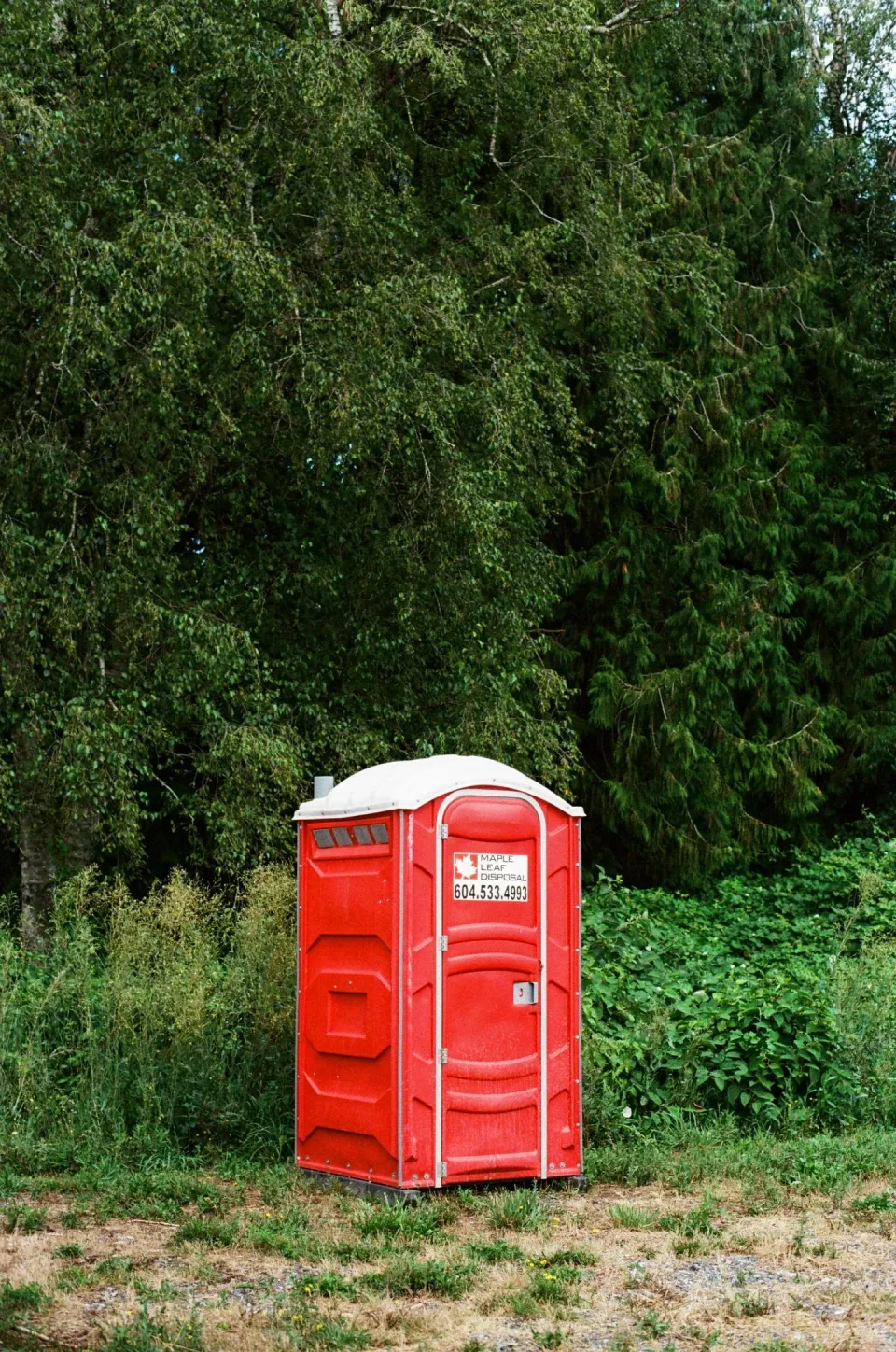
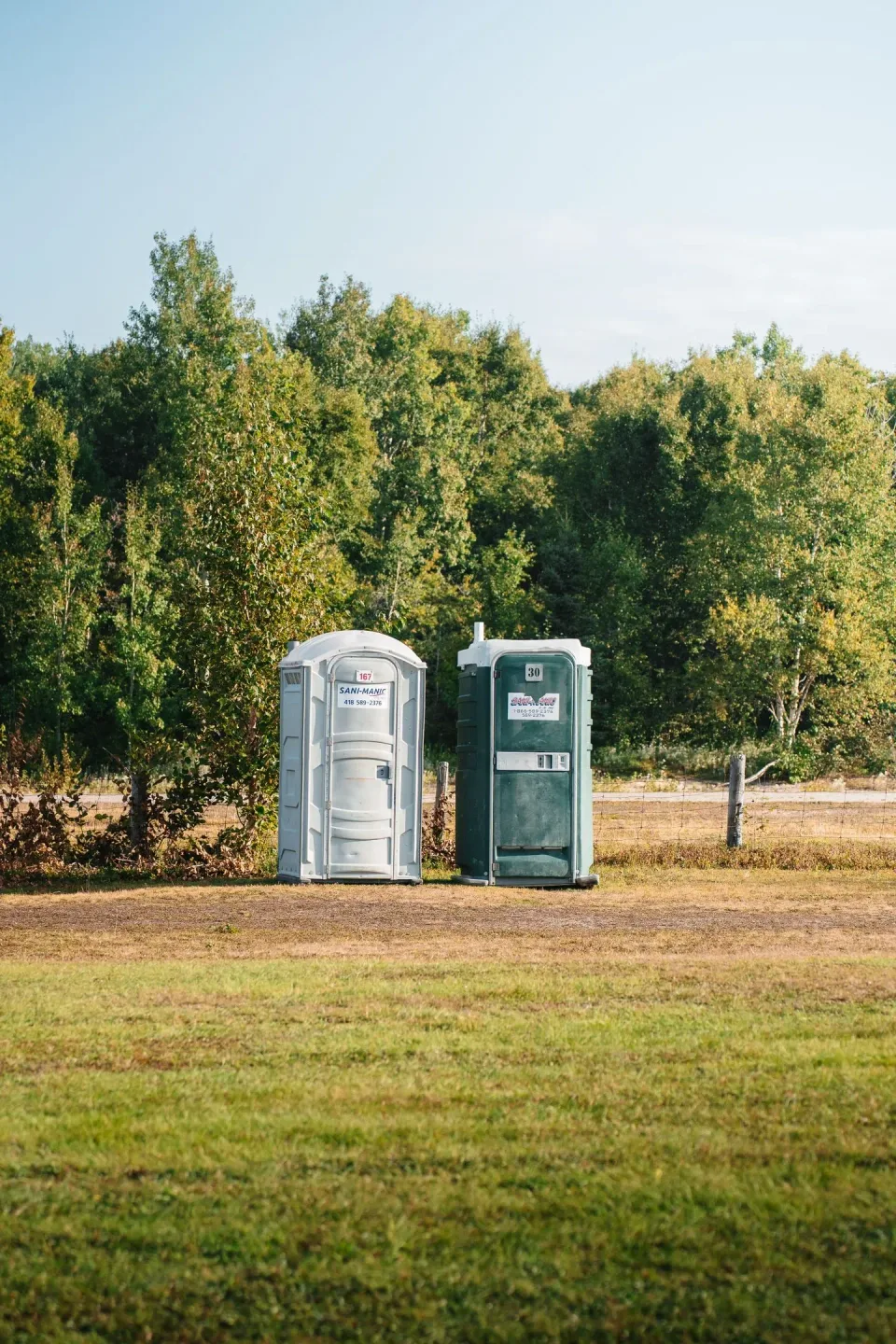
| Standard portable toilet | General outdoor use | Approximately 4 by 4 feet; self-contained enclosure |
| ADA portable toilet | Wheelchair access needs | Approximately 5 by 5 feet; allow room for approach and maneuvering |
| Restroom trailer | Indoor-style facilities | Commonly two to eight stalls; capacity depends on floor plan |
| Holding tank | Collecting wastewater from connected equipment | Capacity varies by model; confirm compatibility and pumping access |
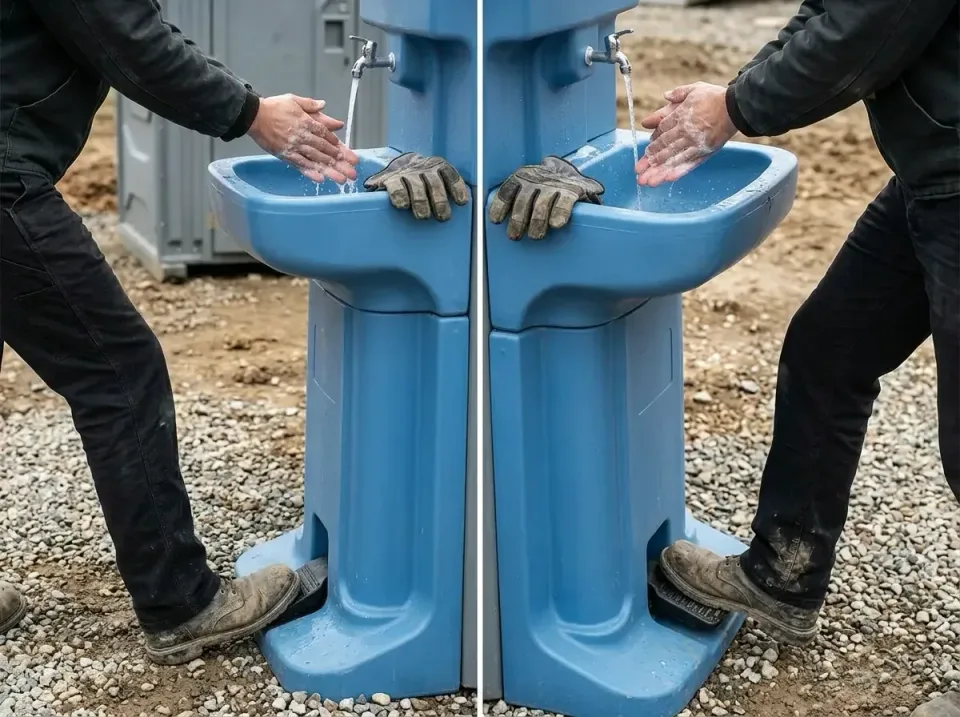
| Handwashing station | Separate handwashing provision | Available with one or multiple sinks |
For a gathering near Front Street Park, map equipment locations around guest circulation before selecting a footprint. At Leavenworth Adventure Park, ask about site access and service-vehicle approach while planning placement. A setup serving visitors at Leavenworth National Fish Hatchery should also be matched to the event’s use period and the route available for servicing.
How Do You Prepare a Holding Tank Plan?
A delivery truck cannot safely reach a proposed event spot, or the tank may be inaccessible when it needs service. Start by confirming the route and usable placement area, then work through the event schedule with the rental provider. Keep this checklist handy:
-
Confirm the route: Share the delivery address, truck access route, and onsite contact, and flag any tight turn near Ski Hill Drive.
-
Select level ground: Choose a stable location near guest foot traffic while leaving room for service vehicles.
-
Protect service access: Keep the tank’s service point clear of fencing, parked vehicles, and event equipment.
-
Plan for weather: Summer afternoons are often hot and dry, so keep guest access convenient and plan for water breaks.
-
Check nearby conditions: If your event is near Tumwater Canyon, verify the site approach and available service access before confirming placement.
-
Set delivery and pickup: Schedule delivery before guests arrive and agree on pickup after breakdown; winter daylight hours can narrow delivery windows.
Ready to Check Your Leavenworth Tank Plan?
The practical estimate is built from expected use, event duration, the tank model, and a workable service route. Do not leave those details until delivery day.
At Enchantment Park, confirm where equipment can sit without disrupting guest movement, and at the Leavenworth Amtrak Station, plan around the actual event site rather than assuming a truck can reach every placement point. Low summer humidity increases dehydration risk, so make drinking water easy for guests to find as well as arranging restroom service.
If your event plan includes the Leavenworth Festhalle, check its site arrangements with the organizer before finalizing equipment. Send WA Toilet Pros your attendance estimate, schedule, and access details to discuss Holding Tank Rental and a clear service plan.