How Often Should Summer Event Toilets Be Serviced?
For most summer events, plan service frequency around attendance and duration, then request an added visit if use climbs or conditions change. Waiting until guests report odor or queues can turn a manageable service interval into a disruption. At Front Street Park, event organizers should account for busy guest periods and keep the service truck route open.
Summer afternoons are often hot and dry, so high use can make a unit feel unpleasant sooner; schedule checks before peak attendance rather than reacting after complaints. Late-summer wildfire smoke can affect outdoor events, so plans may shift and extend the rental period.
Low humidity also raises dehydration risk, making stocked handwashing and drinking-water plans important. We confirm the site and expected schedule with you before recommending service visits.
How Often Should Summer Event Toilets Be Serviced?
There is no useful one-size schedule: service frequency should follow attendance, event duration, and what guests are reporting. For a small gathering with light use, a planned visit may be enough; a busy, multi-day event needs scheduled servicing and a way to request an extra stop. At municipal fairs and public events, peak periods can fill units faster than an organizer expects.
Watch for rising odor, low supplies, messy floors, or queues that persist after a rush. Those are practical signals to move the next visit forward.
We plan wedding toilets around the event’s run time, guest count, and access for a service truck. A wedding at Icicle Brewing Company, for example, needs service timing coordinated with the venue schedule, not just a calendar reminder.
Our crew has served Leavenworth for more than 10 years, and we confirm the service plan before the event rather than leaving the organizer to guess. For crowd planning, see how to reduce long restroom lines at Washington festivals.
What Changes the Service Interval?
A long event day, a concentrated rush, or a rise in attendance can shorten the time between service visits. Ask us to set an interval that reflects actual use, then identify who can contact our crew if conditions change. A temporary workforce facility serving staff through multiple shifts needs a different plan from a short public gathering, because use continues even when the main guest program pauses.
Summer nights are generally cooler, but evening events still need an overnight plan if guests remain onsite. Do not assume cooler air means less use or fewer service needs; check the units before the next day’s program. For multi-day events, write down the planned visit times and the person responsible for reporting a full or unsanitary unit. Small step. Fewer surprises.
When Should You Call a Service Crew?
If odor persists after routine cleaning, a unit is near capacity, supplies are depleted, or users are avoiding a restroom, contact the rental provider and request an assessment. Do not try to empty a portable toilet yourself. Waste removal requires suitable equipment and an approved disposal route; improvised pumping can create exposure and spill risks.
Autumn temperatures cool quickly after sunset, so a late-season event that runs into evening should have service visits timed before guests arrive and while access remains workable. Cold, snowy winters can also affect delivery plans, so organizers booking shoulder-season dates should confirm access and timing early.
Our team coordinates vacuum service and checks the site approach before dispatching a truck. For event-specific cleaning considerations, read how to plan portable toilet cleaning for a multi-day festival.
How to Set a Practical Service Plan
Start with the guest schedule and the location of the units, then tell the provider when attendance is likely to peak. Keep the truck route clear and give one onsite contact responsibility for reporting changing conditions. If the event is near the Leavenworth Reindeer Farm, share the exact drop-off point and access details in advance; the name of a venue alone is not a delivery plan.
Our crew uses confirmed delivery windows and prompt service coordination to help keep a service visit from colliding with guest arrival. Specify whether the event has one busy day or several, and ask what symptoms should trigger an added visit.
That makes it easier to address odor or supply problems before they turn into complaints. Use the portable toilet cleaning service link to review the service option for events that need planned upkeep.
Which Event Toilet Setup Fits Your Service Plan?
Choose based on guest volume, access, and whether the event needs basic facilities or separate handwashing. Temporary event facilities near the Wenatchee River need a placement and servicing plan that fits the actual site, not just the event map.
If toilet delivery must travel along U.S. Route 2, share the access point and event timing so the delivery window can be planned.
A location near Icicle Creek may also require clear truck access rather than assuming a unit can be placed anywhere beside the gathering.
| Option | Best for | Key detail |
|---|---|---|
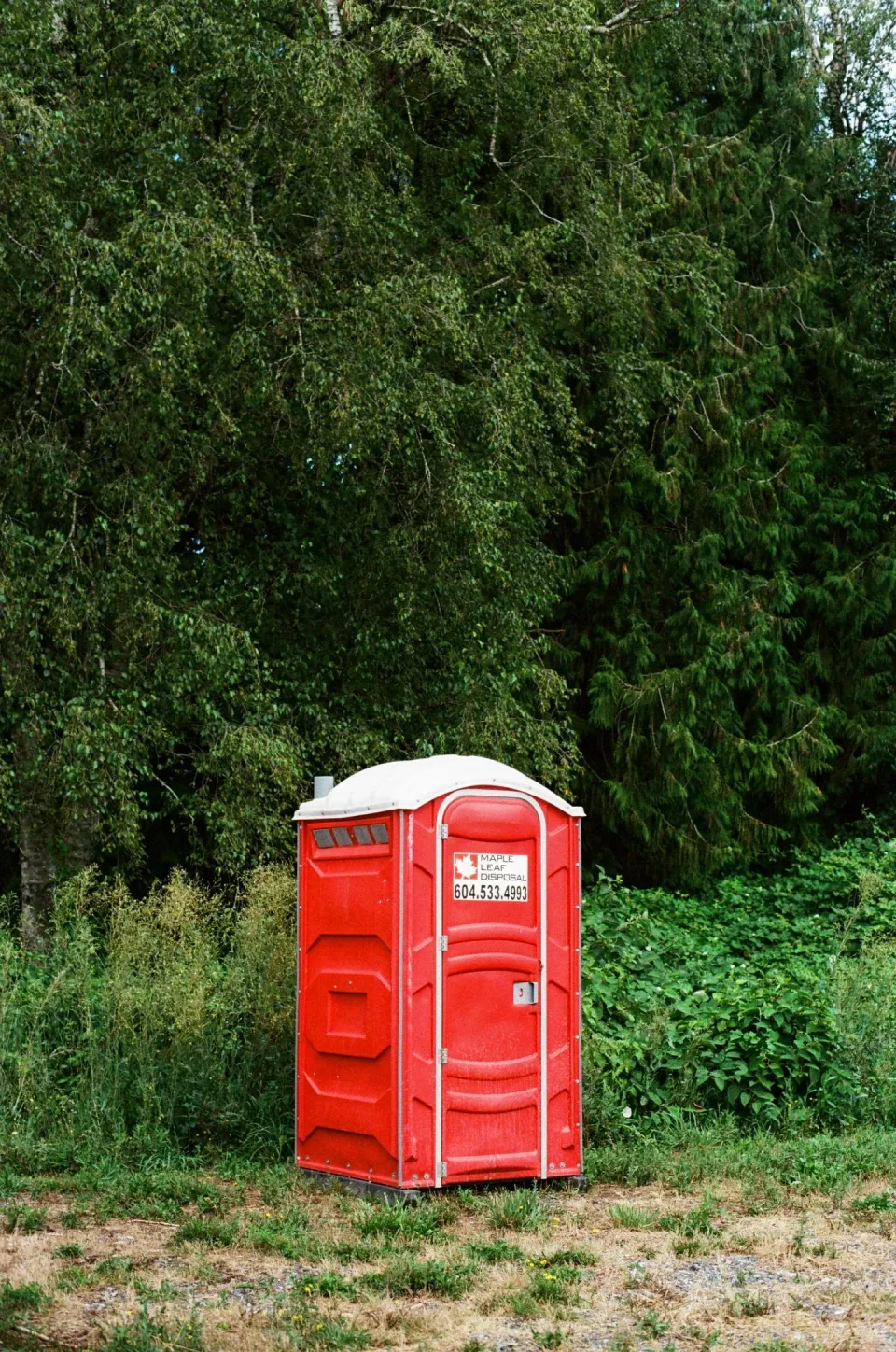
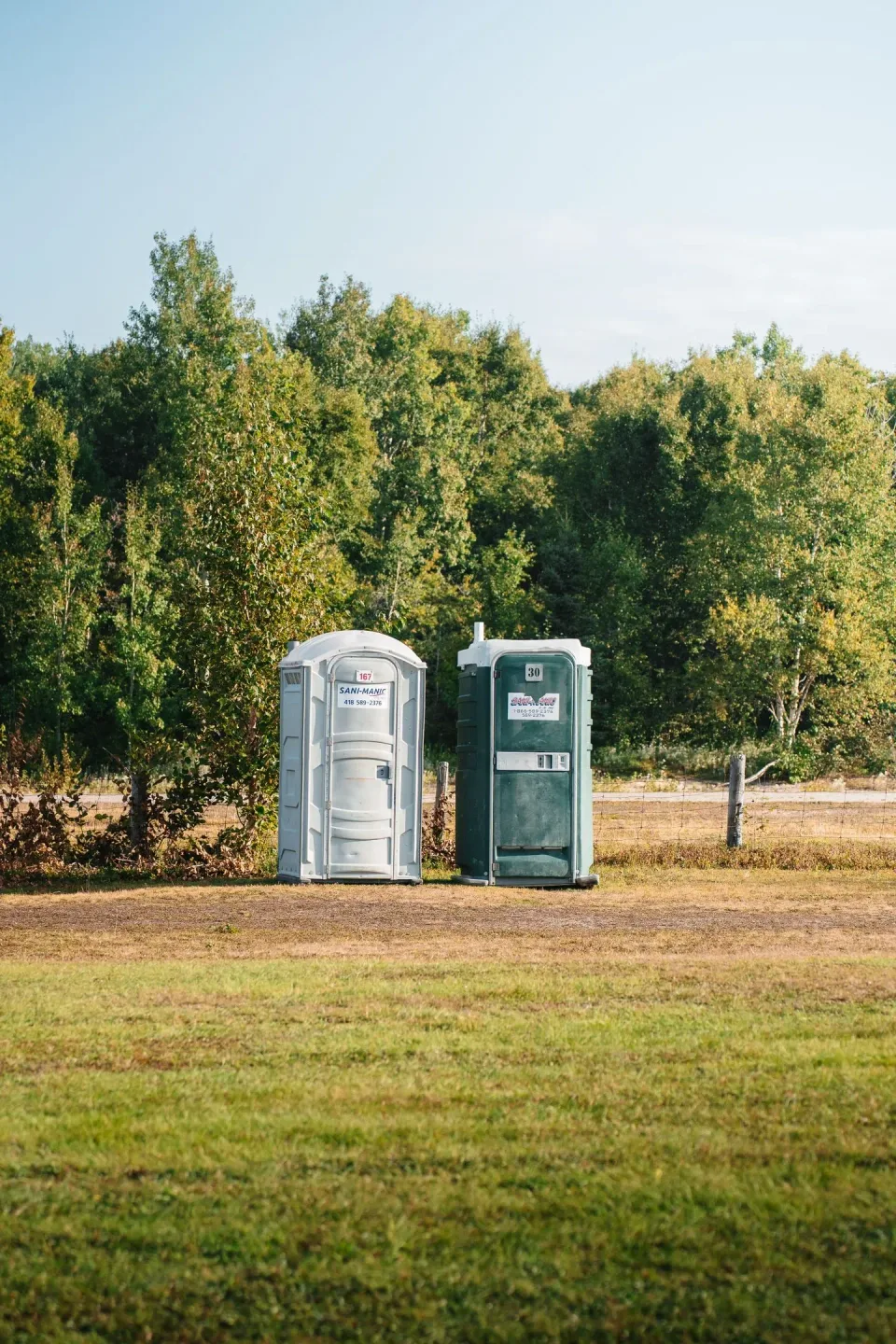
| Standard event portable toilet | Basic event restroom coverage | Compact, self-contained unit; plan service for actual attendance. |
| ADA portable toilet | Accessible restroom access | Wider entry; leave approach and maneuvering room clear. |
| Restroom trailer | Events needing indoor-style fixtures | Commonly two to eight stalls; capacity varies by floor plan. |
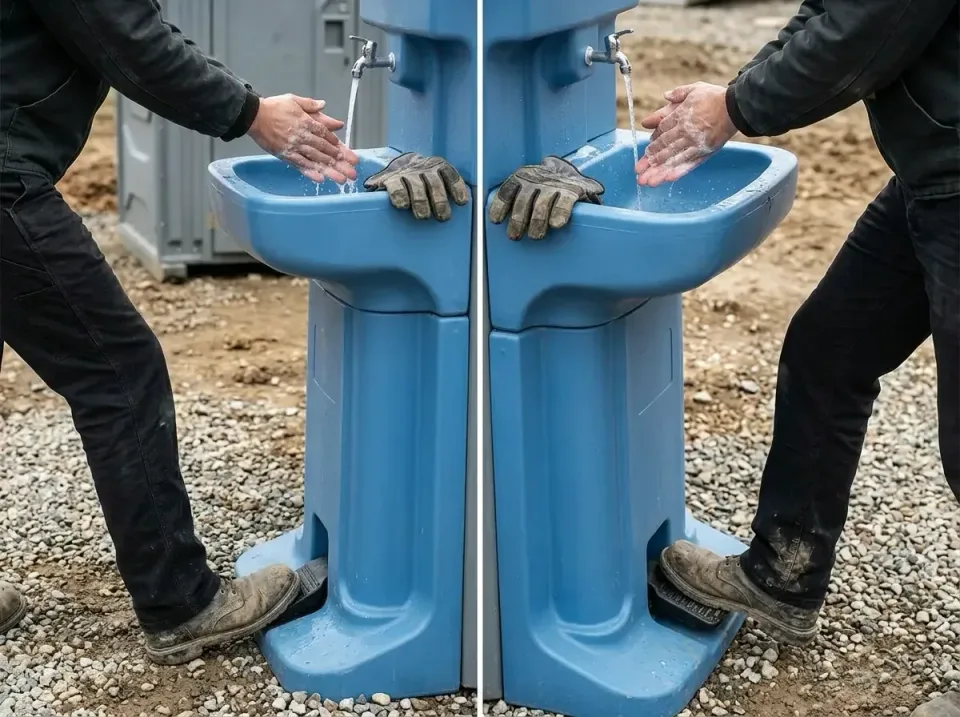
| Hand wash station | Separate handwashing access | Available with one or multiple sinks; plan water and servicing. |
Match the setup to crowd flow and confirm the service route before delivery.
How to Prepare the Site and Service Schedule
A dependable interval starts with a workable placement plan. In Leavenworth’s Inland Cascade climate with dry summers, organizers should still plan for site conditions rather than assuming the ground will stay firm; spring rain can create muddy event sites and complicate truck access. Prepare the route and contact details before confirming the service schedule.
-
Confirm the route: Give the delivery address, onsite contact, and truck turning details, especially for sites reached by Icicle Road.
-
Choose the pad: Select level ground near foot traffic and keep service access clear; a placement fee may apply when positioning requires extra work.
-
Check the approach: Identify soft or muddy areas before the truck arrives, and avoid placing units where service vehicles could become stuck.
-
Set visit timing: Share the event length and expected busy periods so the service interval reflects use rather than guesswork.
-
Confirm the pickup: Agree on pickup after breakdown and account for rental cost drivers such as duration, delivery distance, and servicing needs.
-
Keep access open: Tell staff not to block the unit or pump-truck route during the event.
Need a Summer Event Service Plan?
A good service interval is set before guests arrive and adjusted when attendance or conditions change. Plan enough room for the units and their approach: the Leavenworth Golf Club venue layout, for example, should be considered in terms of where guests gather and where the service truck can reach.
If your event involves a public site, coordinate the placement plan with Leavenworth City Hall where appropriate, and do not leave access arrangements until event day. Keep it simple.
Tell WA Toilet Pros your event location, expected attendance, hours, and number of event days. We’ll help plan delivery, servicing, and pickup around those details. For a practical next step, request a quote through our event porta potty rental service or call (844) 402-2049.